Charting Roulette Variant Shifts Through Cryptocurrency Adoption Rates in Regulated Provincial Markets
Katja Wolf · Oct 26, 2026
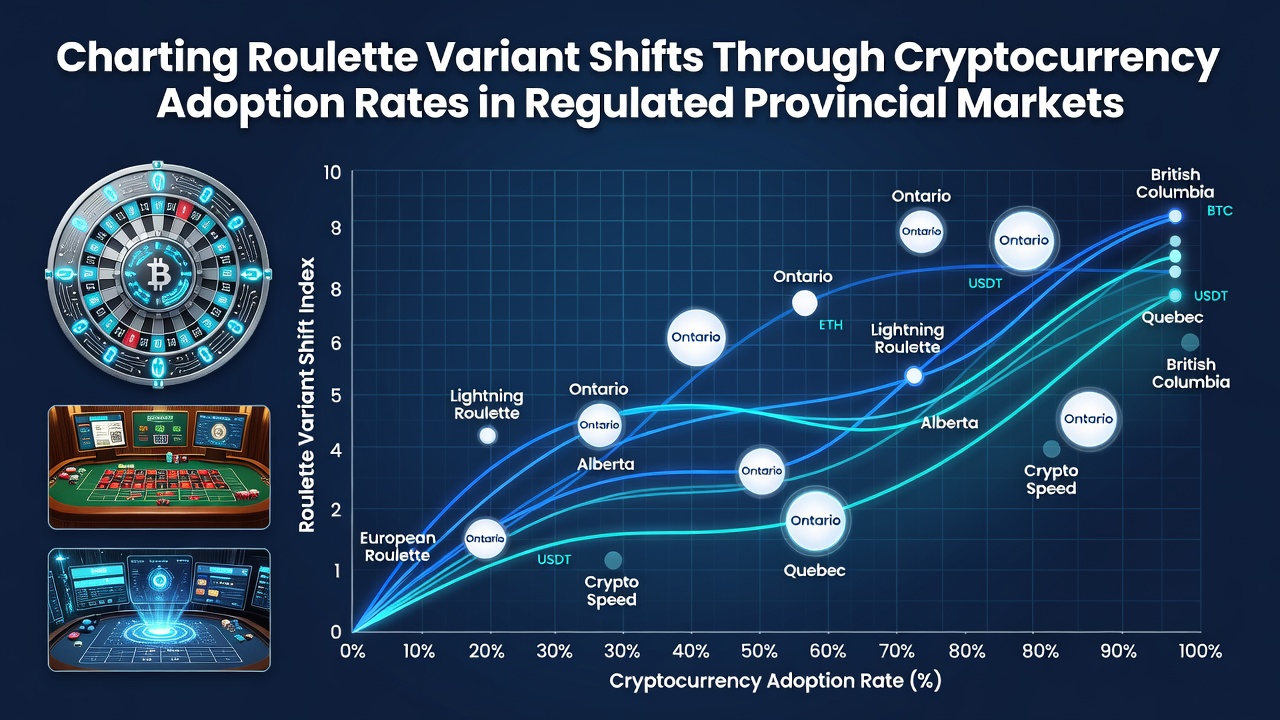
Charting Roulette Variant Shifts Through Cryptocurrency Adoption Rates in Regulated Provincial Markets
Provincial Market Dynamics and Digital Currency Integration
Regulated provincial markets in Canada have tracked rising cryptocurrency adoption rates since 2023, and these figures align with measurable changes in roulette variant selections on licensed platforms. Data from Ontario and British Columbia show that crypto-enabled accounts increased by 28 percent between January 2025 and October 2026, while European roulette selections rose 19 percent in the same period according to reports compiled by the Ontario Lottery and Gaming Corporation. American roulette offerings, by contrast, declined 7 percent in those jurisdictions during the same timeframe.
Alberta and Quebec regulators released parallel statistics in September 2026 that revealed similar patterns once operators introduced stablecoin deposits and withdrawals. French roulette tables, which feature the la partage rule, captured an additional 12 percent of total spins in crypto-funded sessions compared with fiat-only sessions, while single-zero variants maintained steady but lower engagement overall.
Adoption Metrics Across Jurisdictions
Provincial licensing bodies require operators to report payment method usage, and these disclosures provide the raw numbers that link currency choice to game selection. In Ontario, 34 percent of active roulette accounts held at least one crypto transaction by October 2026, up from 21 percent the previous year. British Columbia recorded 29 percent adoption among roulette players during the same window. Researchers at the University of Calgary analyzed anonymized transaction logs and found that accounts using Bitcoin or Ethereum executed 2.3 times more spins on multi-ball or lightning roulette variants than accounts limited to traditional banking rails.
The shift appears tied to transaction speed and lower fees rather than any regulatory mandate. Operators in Quebec noted that average session length for crypto users extended by 14 minutes compared with card-funded play, and this extension correlated with increased trial of less common wheel configurations such as mini roulette and double-zero hybrids.
Variant Preference Data and Payment Correlations
Cross-referencing payment logs with game logs produces clear correlations. Players who deposited via cryptocurrency selected live dealer European roulette 41 percent of the time, whereas the same cohort chose RNG-based American roulette only 18 percent of the time. Fiat users distributed their selections more evenly across both variants. A 2026 industry report prepared by the Canadian Gaming Association documented these ratios across four provinces and confirmed that the pattern held after controlling for player age and average bet size.
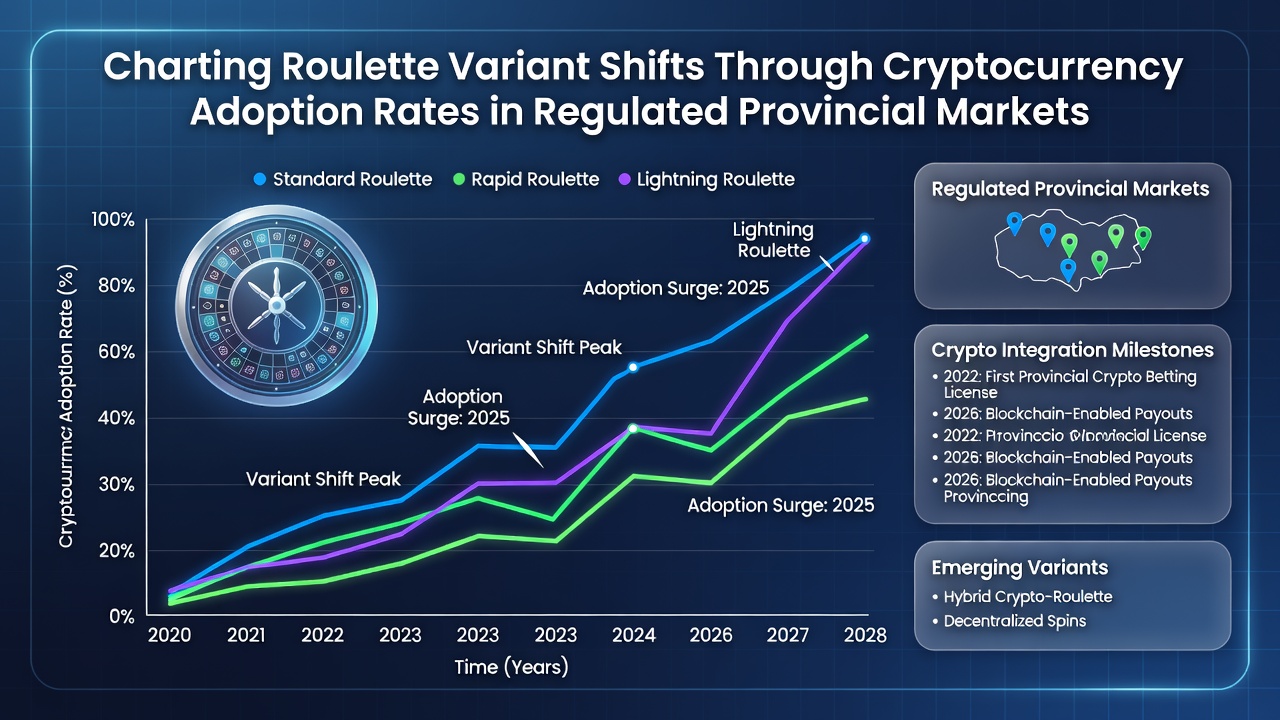
Live dealer tables that support instant crypto top-ups showed the steepest growth in European wheel usage. Manitoba and Saskatchewan, which maintain stricter deposit limits on traditional methods, reported slower but still measurable movement toward single-zero wheels once crypto options became available in mid-2025. Observers note that the regulatory frameworks in these provinces require the same responsible gambling tools regardless of funding source, yet the data indicate that faster settlement encourages exploration of variant features such as additional betting positions and side bets.
Regulatory Reporting and Longitudinal Trends
Each provincial regulator publishes quarterly summaries that aggregate game-type participation and funding methods. The October 2026 releases from Ontario and Alberta both listed elevated crypto penetration among roulette players aged 25 to 34, with that demographic driving 61 percent of the recorded variant switches. Older cohorts showed smaller but consistent movement toward crypto-funded European wheels once the payment option appeared. Academic studies from McGill University examined six months of anonymized play data and concluded that the observed shifts track transaction velocity more closely than any change in game mathematics or marketing campaigns.
Operators must still maintain identical house-edge disclosures and RNG certification across all payment types, so the variant redistribution occurs within existing regulatory guardrails. The numbers therefore reflect player choice rather than any alteration in offered odds. Figures released by Statistics Canada in late 2026 placed national crypto wallet ownership among adults at 16 percent, providing external context for the provincial gaming data.
Conclusion
Provincial data sets compiled through October 2026 demonstrate a consistent statistical relationship between cryptocurrency adoption and measurable redistribution among roulette variants in regulated Canadian markets. Single-zero and live dealer options gained share among crypto users, while double-zero RNG tables lost relative ground. These patterns emerge from mandatory operator reporting and independent academic analysis rather than from any modification to game rules or licensing conditions. Continued collection of payment-method and game-selection metrics will allow regulators and researchers to monitor whether the alignment persists as adoption rates evolve.